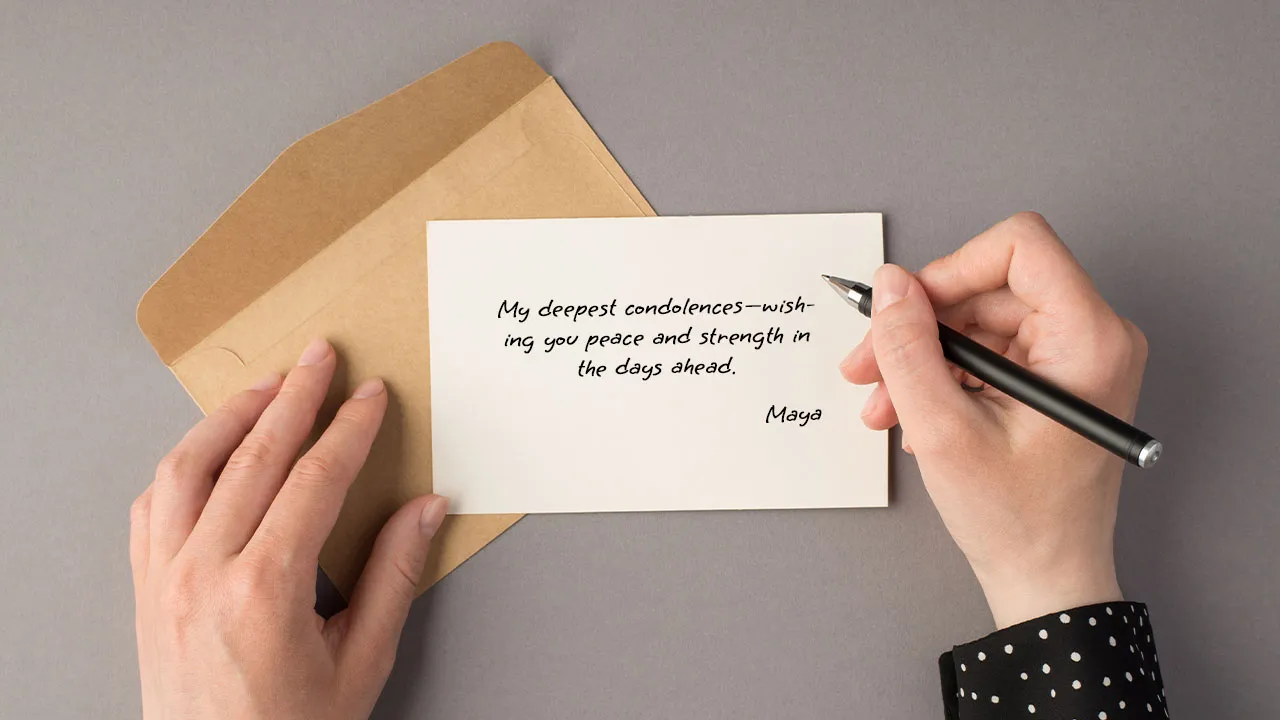
There are few moments more uncomfortable than standing before someone who’s grieving, wanting to help but not knowing what to say or do. Words feel small. Gestures feel inadequate. You worry about saying the wrong thing, or saying nothing at all. Yet, in times of loss, it’s often the quiet acts of compassion and genuine presence that bring the deepest comfort.
Understanding how to express sympathy in a heartfelt, respectful way can help bridge that painful gap between wanting to help and knowing how.
Understanding the Grieving Process Before Offering Support
You can’t effectively comfort someone until you grasp what’s happening inside their head and heart. Grief twists and turns unexpectedly, never following a straight path.
The Five Stages and Why They Matter
You’ve heard about denial, anger, bargaining, depression, and acceptance. But here’s what textbooks miss, nobody moves through these in order. Someone might bounce between anger and depression for months. They might never reach acceptance. Maybe they skip denial entirely. Knowing this prevents you from accidentally pressuring them toward some imaginary finish line that doesn’t exist.
Respecting Individual Differences
Cultural identity profoundly influences mourning practices. Some communities embrace loud, communal grief. Others prefer quiet, private reflection. Don’t project your grieving style onto someone else’s experience.
Now that you’ve mapped grief’s emotional terrain, let’s shift to concrete actions. Here’s how you show up meaningfully during those brutal first days and weeks.
Immediate Ways to Express Sympathy After a Loss
Being Present Without Perfect Words
Silence sometimes communicates more than the most carefully chosen condolence. Just sitting there while tears fall. Arriving with coffee unannounced. Occupying their space without demanding conversation. Your physical presence carries weight that eloquent monologues never could.
Crafting Messages That Actually Help
Meaningful condolences spotlight specific memories instead of recycling platitudes. Our digital age offers unique opportunities, sending Personalized ecards with heartfelt notes lets you share photographs, video clips, and treasured memories celebrating that person’s life, especially when distance separates you.
What Not to Say
“Everything happens for a reason” lands like a slap. So does “At least they’re not suffering.” Well-meaning? Sure. Helpful? Absolutely not. These phrases minimize devastating loss. And never, ever compare their grief to your own experiences, this moment belongs to them, not you.
While emotional support provides critical comfort, grieving people often struggle handling basic life requirements. Let’s examine tangible ways you can reduce their burden through direct action.
Practical Support Strategies for Someone Grieving
Taking Over Daily Tasks
“Let me know if you need anything” sounds supportive but creates work. They lack energy to delegate tasks. Just do things. Stock their fridge. Mow that overgrown lawn. Take their dog for walks. Work with others to establish a meal rotation extending past week one.
Handling Administrative Burdens
Funeral logistics, insurance paperwork, endless phone calls, these details bury grieving individuals. Volunteer to handle calls, sort documents, or investigate community resources. Even offering transportation to appointments lifts significant weight.
Knowing When Professional Help Matters
How to support someone grieving occasionally means acknowledging your limitations. Grief counselors, support circles, and therapy represent essential resources, not character flaws. Look up local options and share them gently, applying zero pressure.
Beyond hands-on assistance, your word choices either soothe or inadvertently hurt. Mastering these communication approaches helps you express sympathy authentically.
Comforting Words for Grief: Communication Techniques
The Art of Listening
Real listening means absorbing pain without attempting to solve or minimize it. Let them tell that same story repeatedly if necessary. Validate feelings by saying “That sounds unbearable” instead of scrambling to lighten the mood.
Phrases That Provide Real Comfort
“I’m available whenever” outperforms vague help offers. Comforting words for grief face reality head-on: “I won’t pretend to understand your pain, but I’m staying right here with you.” Say the deceased person’s name aloud, it often brings relief when everyone else nervously avoids it.
Following Up Beyond Initial Contact
Send a quick “You’re on my mind” text weeks after the service. Mark their loved one’s birthday on your calendar and reach out. Sustained support trumps dramatic gestures during the immediate aftermath.
Long-Term Support for the Grieving Journey
Showing Up After Everyone Leaves
The “second wave” crashes when life normalizes for everyone except the person drowning in loss. Months three, six, twelve, these markers need acknowledgment. Drop off a card. Place that call. Swing by with coffee. Get this: one in three Americans personally knows someone who died from an overdose. Loss surrounds us, making sustained compassion increasingly vital.
Recognizing When Grief Becomes Clinical
Watch for warning signs, complete inability to function, substance dependency, expressions of self-harm. Research shows two or more adult losses connect more strongly to accelerated biological aging than single losses (psichi.org). When intense grief persists beyond six months unchanged, gently recommend professional evaluation.
Protecting Your Own Well-being
Comforting someone who is grieving depletes your emotional reserves. Establish boundaries. Take mental health breaks. Process your feelings with someone separate from this situation. You can’t give what you don’t possess, and exhausting yourself serves nobody.
Armed with these approaches, you’re prepared to offer genuine support, but specific scenarios raise particular questions. Here are answers to common concerns about supporting the grieving.
Final Thoughts on Supporting Those in Grief
Supporting someone through devastating loss isn’t about locating perfect phrases or theatrical gestures. It’s about appearing consistently, absorbing pain without critique, and providing concrete help when they can’t articulate needs. How to support someone grieving boils down to authenticity over polish, your genuine presence outweighs the most eloquent condolences imaginable.
Remember how powerfully those follow-ups land weeks and months later when everyone else has resumed normal life. Grief ignores calendars, so your compassion should too. Extract whatever resonates from these strategies and customize them for your specific relationship and situation. Your willingness to stand beside someone during their darkest chapter creates healing that extends far beyond what you’ll witness firsthand.
Your Questions About Supporting the Grieving Answered
What should I say to someone grieving if we’re not close?
Stick with straightforward sincerity: “I’m deeply sorry for your loss. You’re in my thoughts.” Genuine feeling outweighs your relationship history every time.
How long should I wait before reaching out?
Don’t wait at all. Contact them immediately upon learning about their loss. Early support demonstrates you care. They’ll respond when ready. Delayed sympathy still counts if you legitimately just found out.
How can I help someone grieving from far away?
Distance doesn’t eliminate impact. Mail care packages. Set up video chats. Order meal delivery to their address. Send handwritten letters. Technology makes remote support surprisingly effective.






Leave a Reply